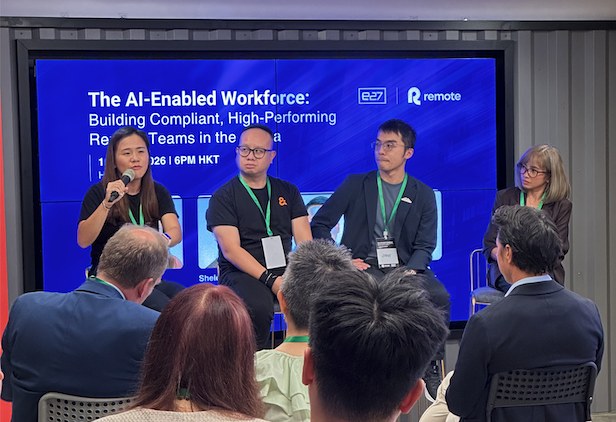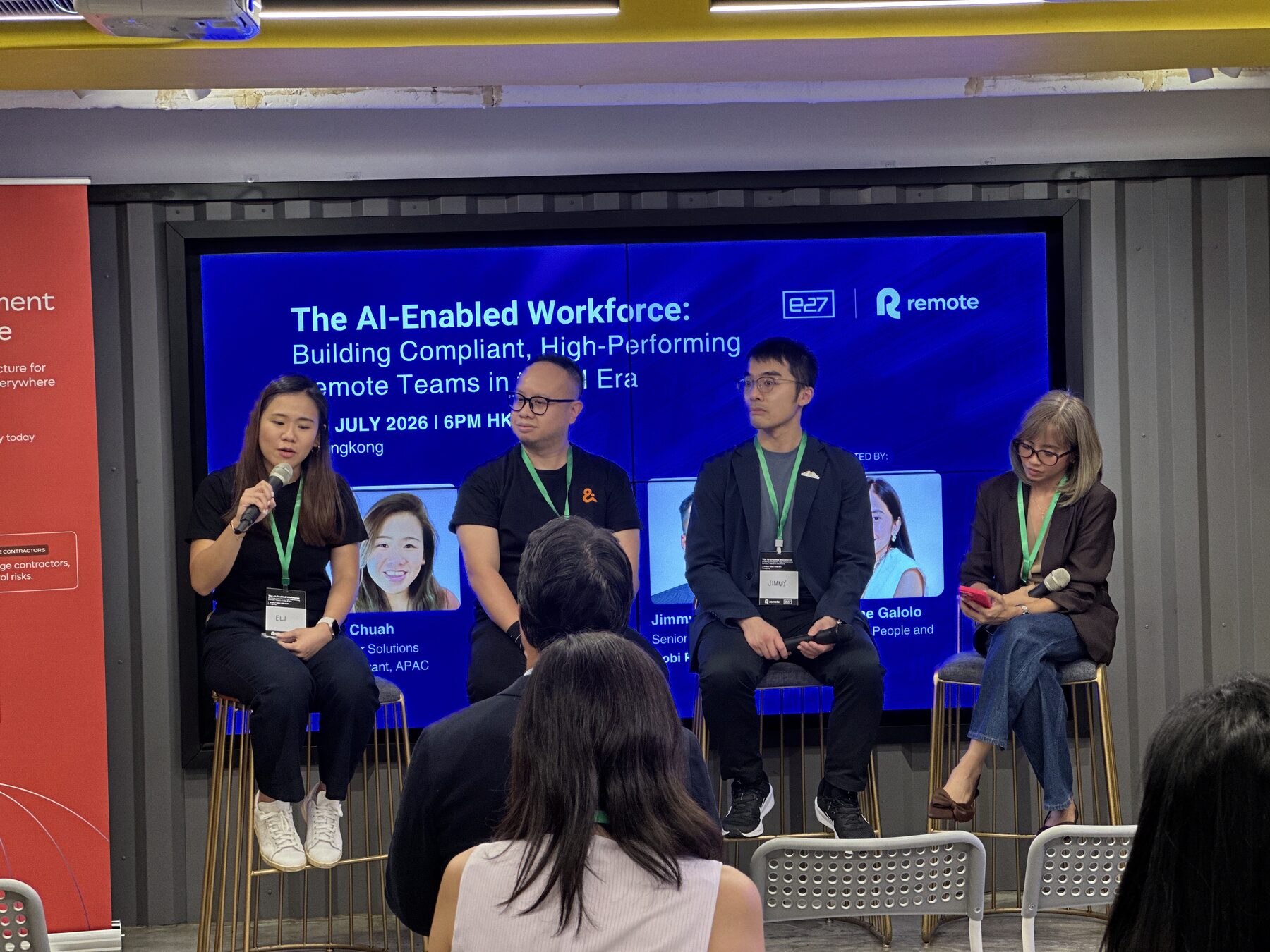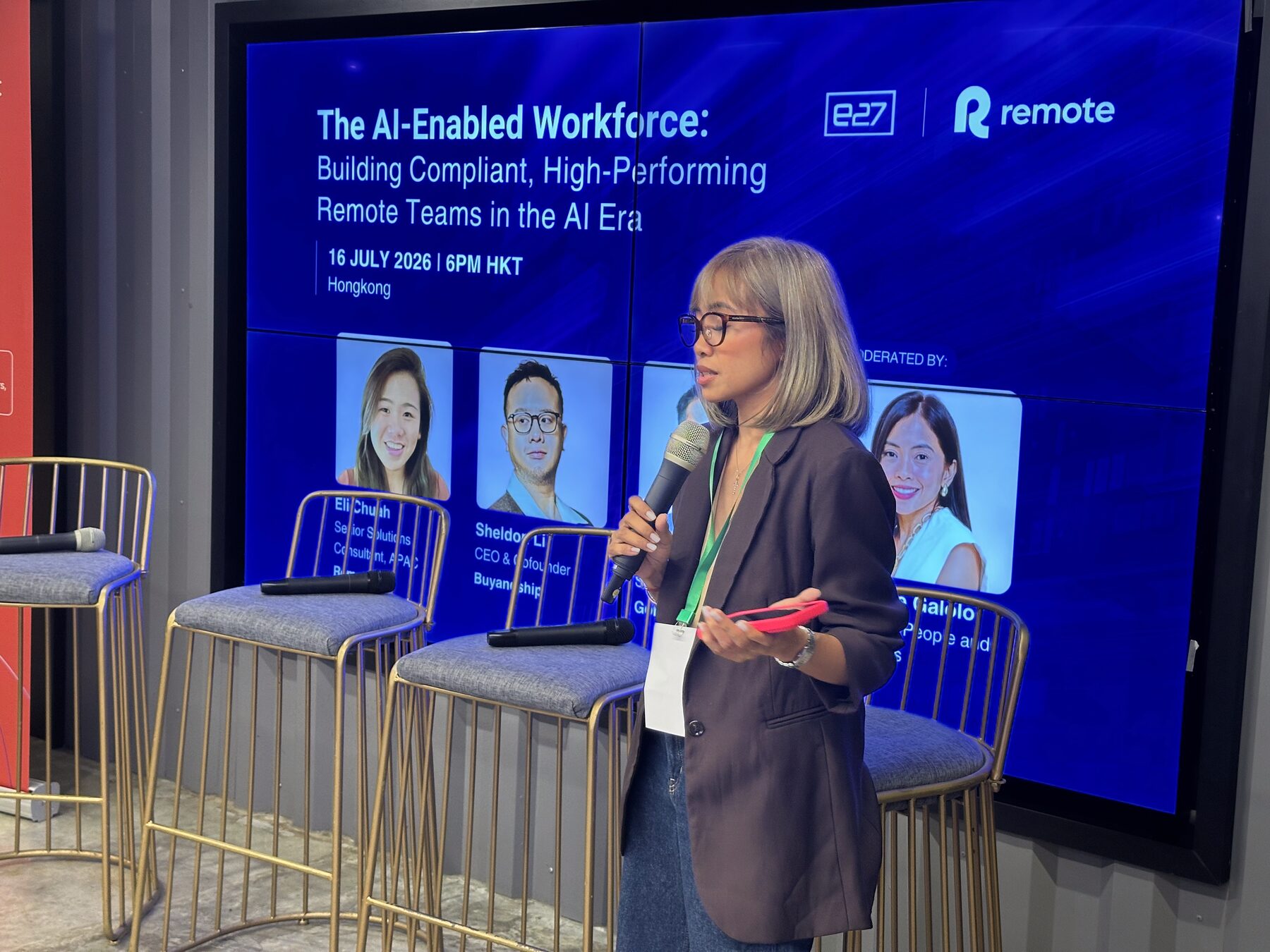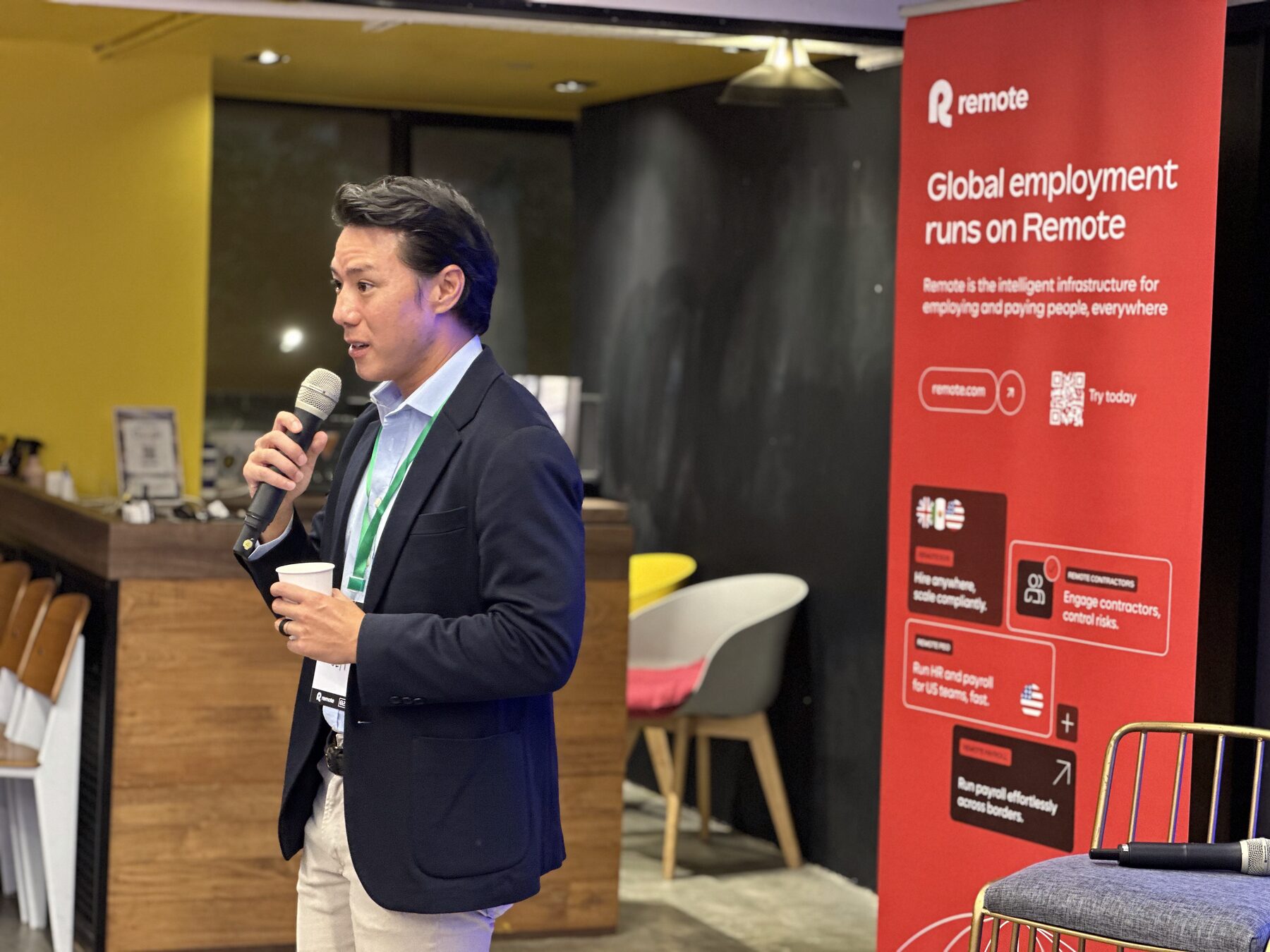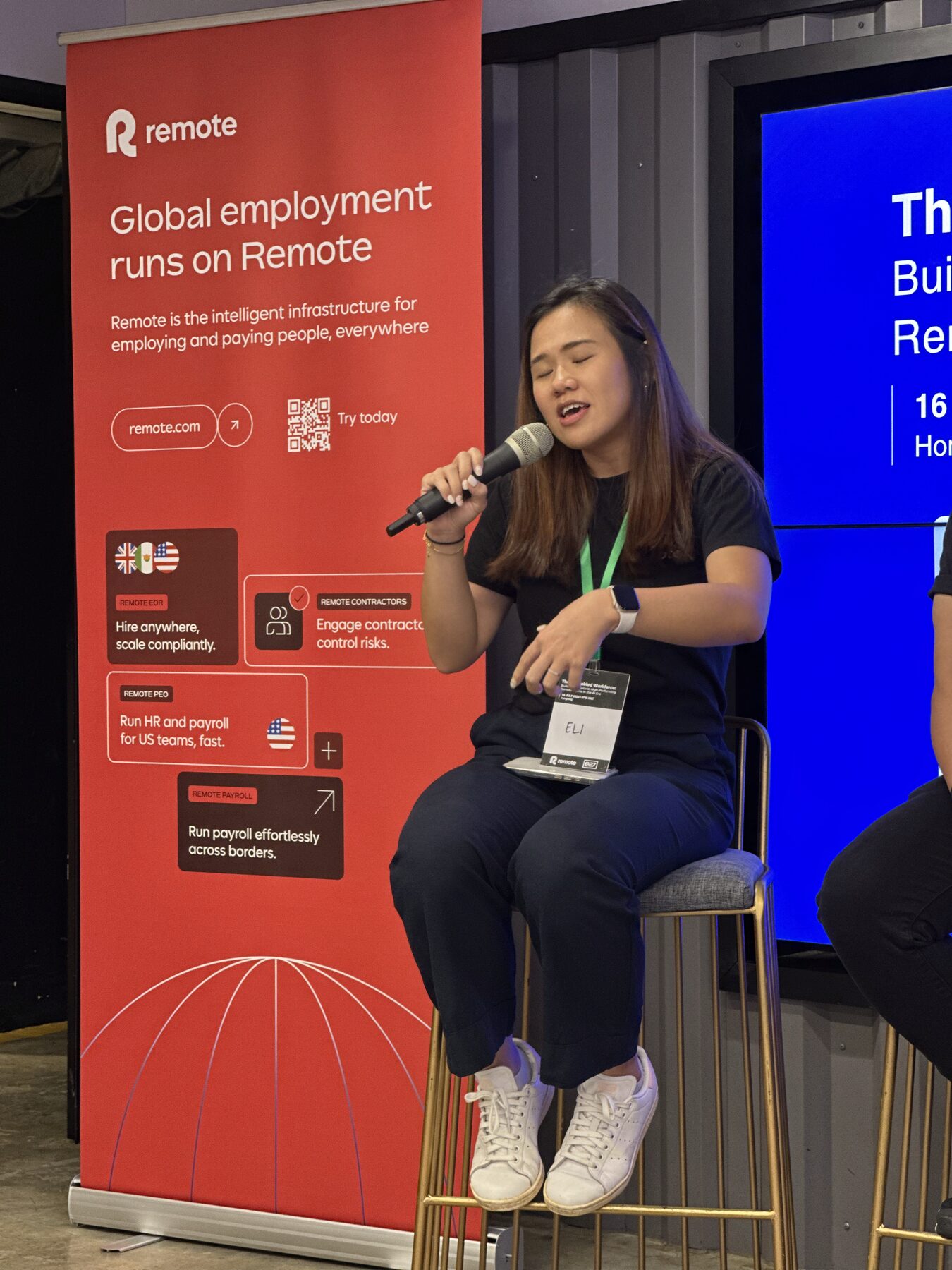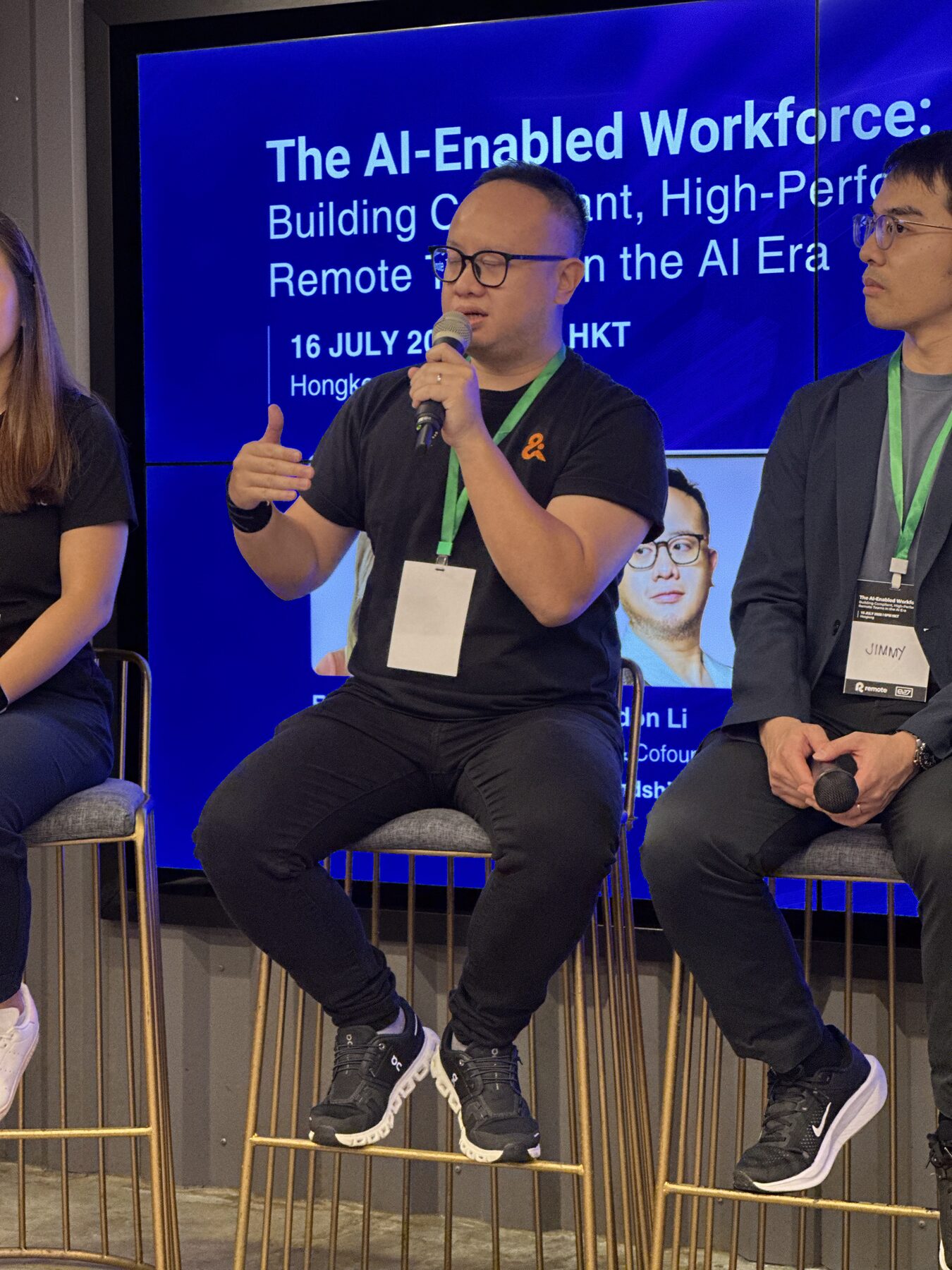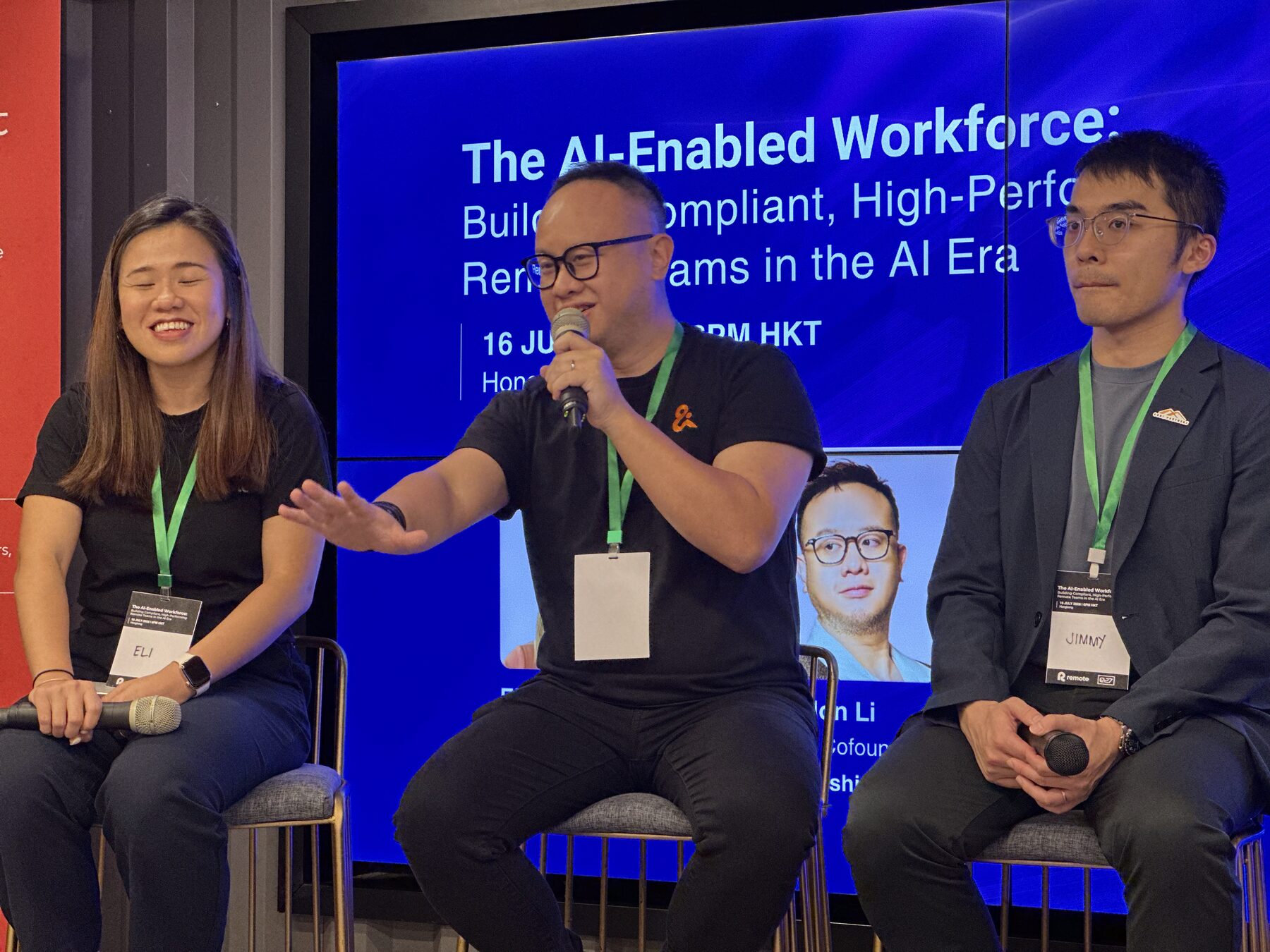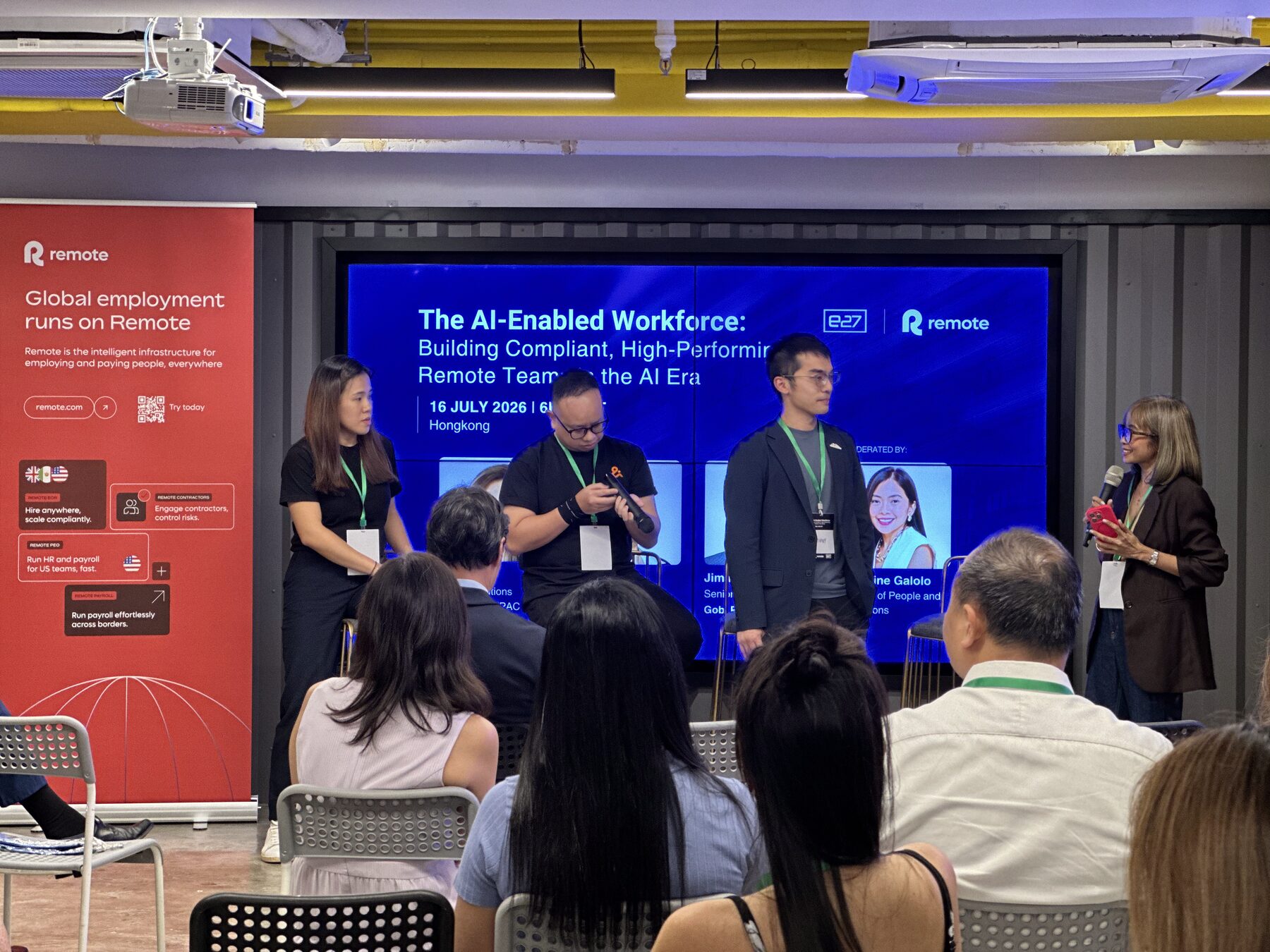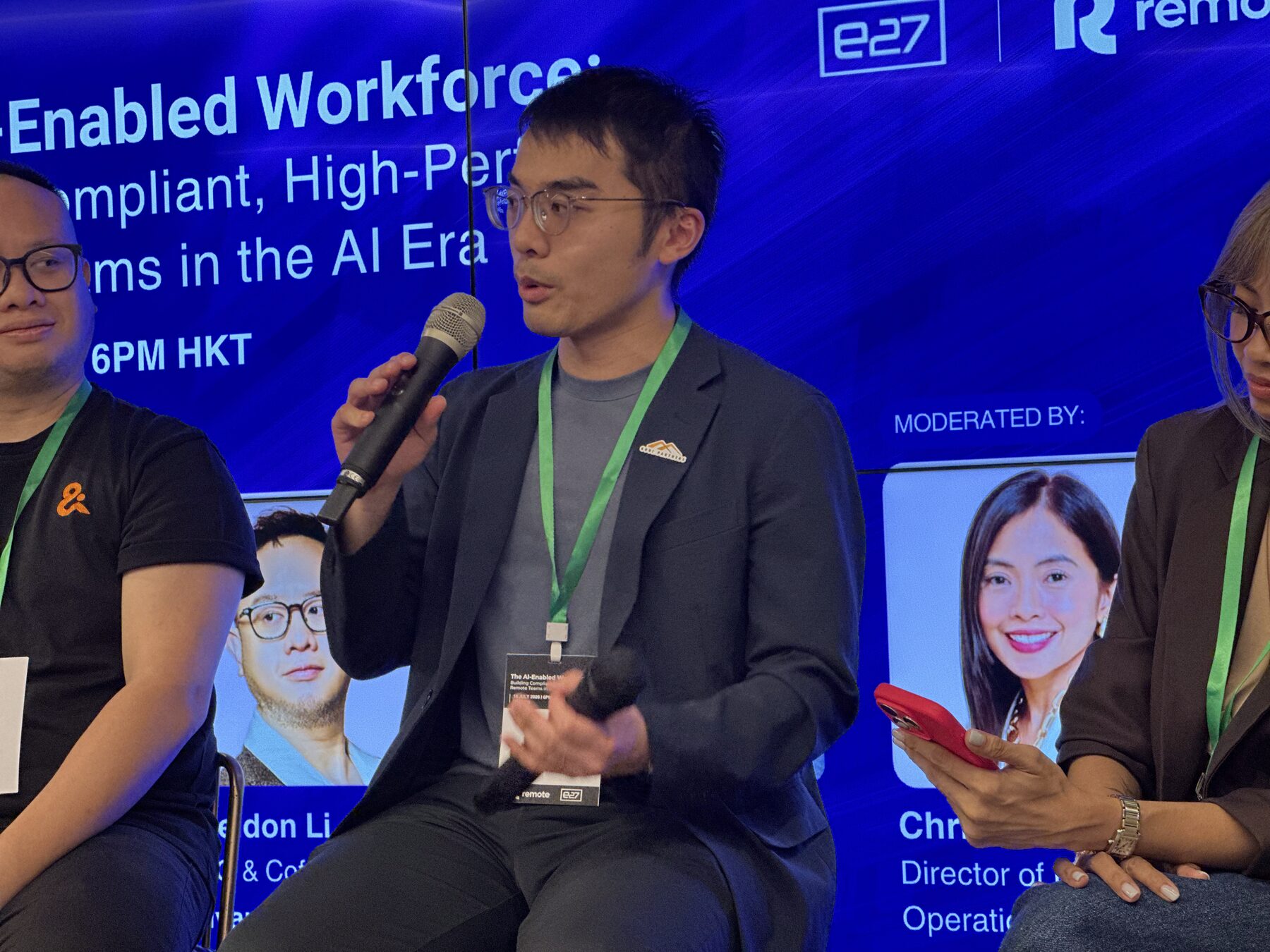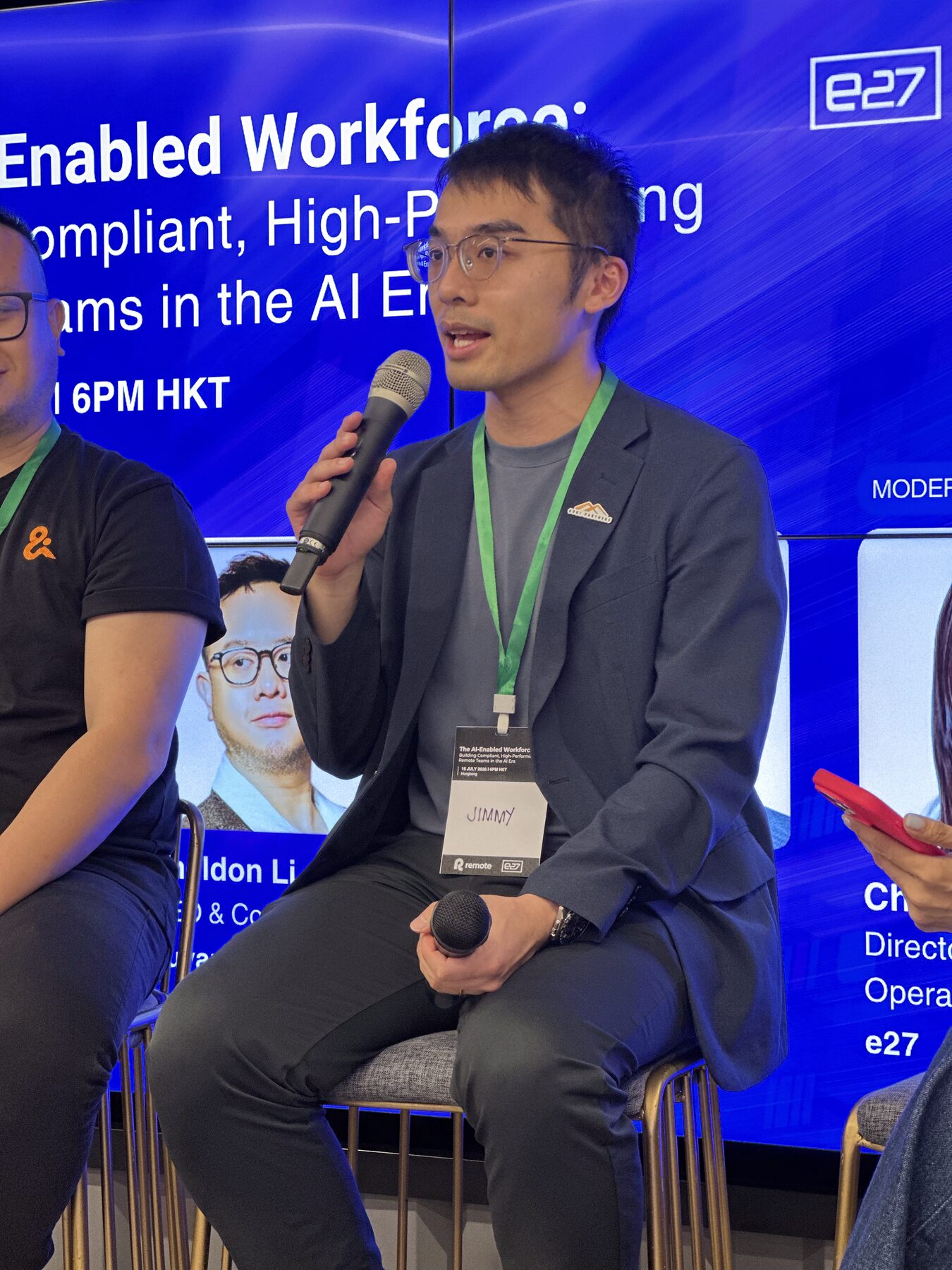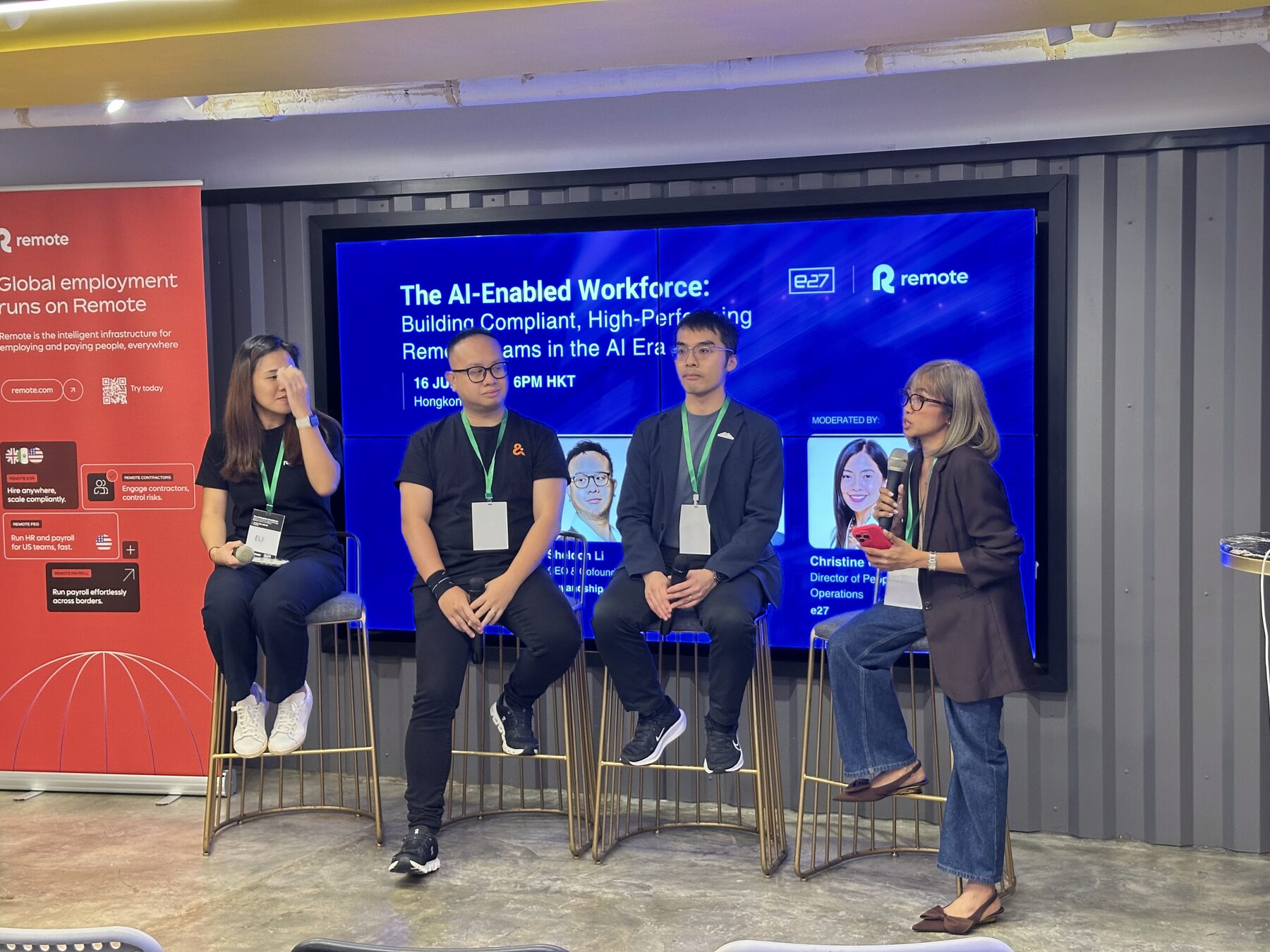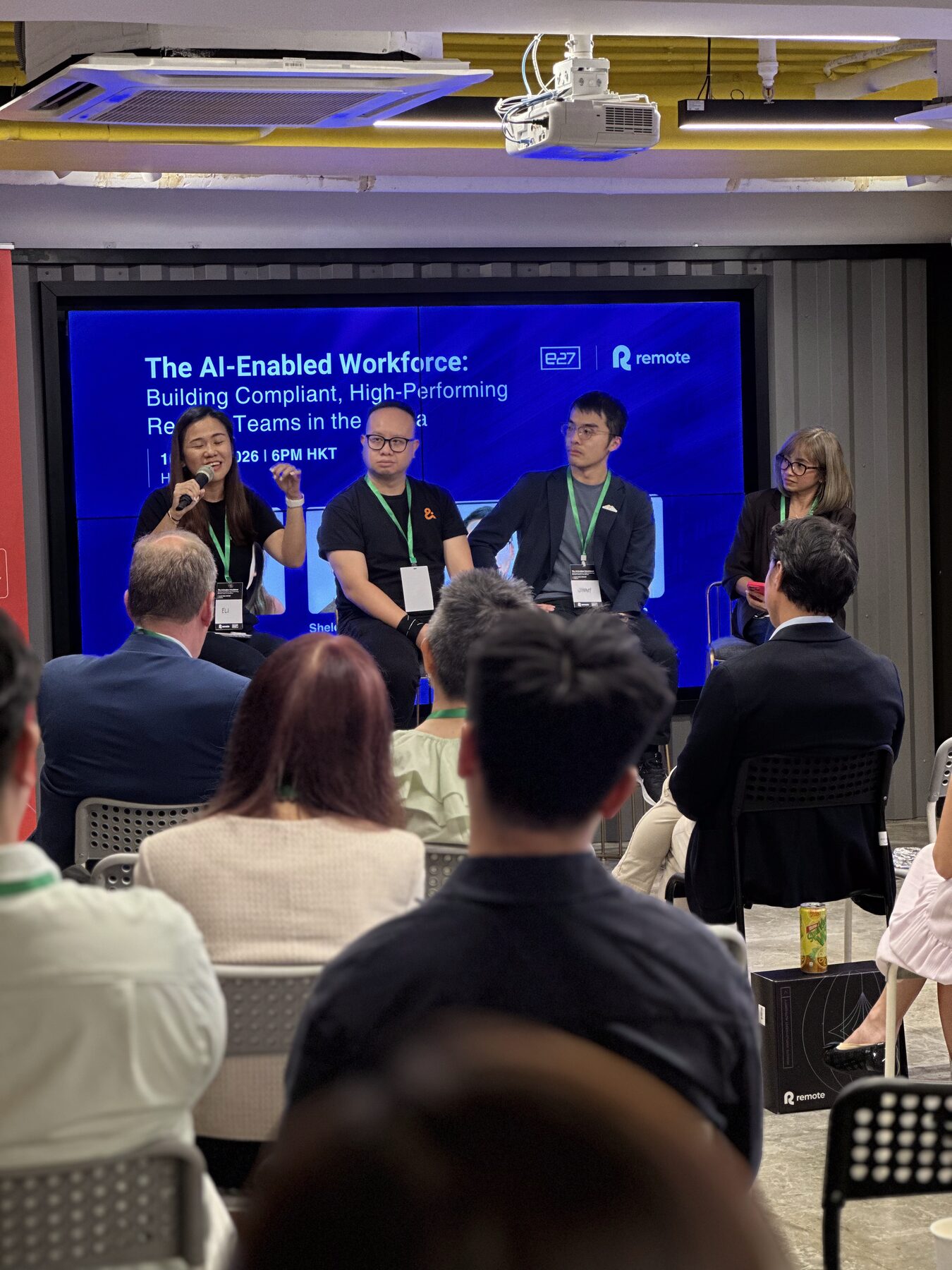

Eli Chuah (Remote), Sheldon Li (Buyandship), and Jimmy Ng (Gobi Partners) got specific in a closed-door session — including the Spain compliance case that cost one company thousands, and why boards still don't ask about culture until it shows up in the numbers.
An India-based company hired remote workers from Spain without properly navigating local employment law. The cost ran to thousands of dollars — not from malicious intent, but from a common assumption that "remote work" meant employment rules were simplified or optional…

Jimmy was candid: most boards don't ask about culture as a standing agenda item. It's historically been treated as an HR domain — something boards trust the people function to handle until there's a visible problem…

Sheldon pushed back on the replacement narrative that sits underneath most AI-in-the-workplace conversations. Buyandship serves over 3 million registered users with warehouses across 12 markets — a lean team covering a lot of ground. AI hasn't made people redundant in that context…

Submit your details to get:
e27 and Remote may follow up about related HK hiring/compliance content. Unsubscribe anytime.
Remote owns its own entities across 100+ countries — including Hong Kong, Singapore, mainland China, and the Philippines — so compliance misses like the one above don't happen on your team's watch.
Talk to Remote →You're about to read three operators talk hiring, compliance, and AI across Hong Kong, Singapore, mainland China, and the Philippines.
Real examples, not hypotheticals. Eli Chuah (Remote), Sheldon Li (Buyandship), and Jimmy Ng (Gobi Partners) got specific about compliance, culture, and AI — from a Spain misclassification case to boards that still treat culture as HR's problem.
An India-based company hired remote workers from Spain without properly navigating local employment law. The cost ran to thousands of dollars — not from malicious intent, but from a common assumption that "remote work" meant employment rules were simplified or optional. Spain has some of the strongest worker protections in Europe: misclassifying workers, skipping statutory contributions, or structuring arrangements that create undisclosed employment relationships can trigger back payments, penalties, and mandatory reinstatement obligations amounting up to ~US$42k a year. The same pattern repeats across APAC, where the patchwork of rules across Hong Kong, Singapore, mainland China, and the Philippines creates continuous exposure for companies that treat compliance as a one-time box to check.
When Buyandship was scaling fast across 12 markets, the default mindset was velocity: get the operation running, figure out the paperwork as you grow — a common startup posture Sheldon was candid about being guilty of. The risk compounds quietly: misaligned employment structures in one market can create precedents that are expensive to unwind in others. Permanent establishment exposure — where a company unknowingly creates a taxable presence in a jurisdiction just by having someone work there — rarely shows up until there's a regulatory inquiry or a deal that requires legal diligence. By then, the cleanup costs multiples of what proper setup would have.
AI compliance tooling is being sold fast — and in a category where the cost of a false sense of security is high, the evaluation question matters. Eli's framework starts one step earlier than most procurement processes do: before asking what the tool can do, diagnose what problem you actually have. Companies that skip diagnosis and jump to solutions often end up layering automation onto broken processes — and an AI tool that accelerates a flawed workflow creates risk faster than a slow manual one. The quiet blind spot Eli flags most often: understanding how AI fits into the existing workflow and available data set is key, because AI is a multiplier. It scales good judgment, but it scales bad judgment too.
For Sheldon and the Buyandship team — distributed across warehouses, local markets, and remote staff spanning a dozen countries — the answer wasn't a particular tool or a particular ritual. It was the shift from presence-dependence to system-dependence. When you build consistent, transparent operating rhythms — weekly cadence, regular check-ins, clear channels for information to flow — people anchor to those systems rather than to proximity. The system becomes the connective tissue. Open communication, predictable touchpoints, and the discipline to keep those rhythms going even when it feels like overhead: that's what replaced the informal culture-carrying function the office used to perform.
Eli's perspective was a useful reframe: local labor norms aren't an obstacle to culture, they're an input. Every market's employment context reflects something real about how people in that market think about work, loyalty, team, and communication. However, when a company fails on complying with labor law, it erodes employees' trust — a predictable, compliant foundation is part of building a sustainable and rewarding work culture. Instead of asking "how do we build one culture across all these different markets?", the more powerful question is: "how do we build a culture that draws on the best of what each market brings, while getting the basics right?" Each market has a distinct advantage — lean into those, rather than flattening them.
Jimmy was candid: most boards don't ask about culture as a standing agenda item. It's historically been treated as an HR domain — something boards trust the people function to handle until there's a visible problem. The signal boards have started to pick up on: culture isn't a wellbeing issue, it's a performance issue. Teams that don't feel like one team ship slower, lose people faster, and handle complexity worse — that framing, culture as a driver of the metrics boards already track, is what's slowly moving the conversation.
Sheldon pushed back on the replacement narrative that sits underneath most AI-in-the-workplace conversations. Buyandship serves over 3 million registered users with warehouses across 12 markets — a logistics and content operation where a lean team covers a lot of ground. AI hasn't made people redundant in that context. It's made the same people capable of doing more, with better information. The distinction Sheldon kept returning to is between AI as a tool and AI as a transformation driver: a tool gets plugged in and performs a task, a transformation changes what the business is capable of. Buyandship is currently building an AI engine to help consumers find the best deals globally — not a feature bolted onto their existing product, but a redefinition of what the product does. That's a different bet than deploying a chatbot to handle support tickets.
From Gobi Partners' vantage — advising across a portfolio in 18 markets with $2B AUM — Jimmy sees the board-level conversation about AI and people shifting in a specific direction: expectation of judgment, not just efficiency. AI is on every board agenda, but usually in the context of product and revenue — not people operations. The companies that are ahead are the ones where the people leader has proactively brought a "how AI changes our people function" view to the board, rather than waiting to be asked. That gap is the opportunity for people leaders right now.
Eli's answer was anchored in the same diagnostic framework she applies to compliance tools generally: start with the actual bottleneck. For most lean HR teams running across multiple APAC markets, the bottleneck is managing HR as a patchwork — multiple fragmented vendors across markets, and administrative surface area that grows every time you add a market or a headcount. The highest-value AI application for a small, distributed HR function today is intelligent policy management and compliance monitoring: tools that watch for regulatory changes across jurisdictions, flag implications for your specific employment structure, and reduce the manual research burden. Where AI still needs a human: disciplinary processes, termination in markets with strong protections, and any situation where the AI's confidence doesn't reflect the actual complexity of the local rule.
Background reading and market data tied to the event themes — AI & the future of work, cross-border hiring compliance, AI talent, and Hong Kong's AI adoption numbers. Curated by e27 in partnership with Remote, the global HR platform behind tonight's discussion.
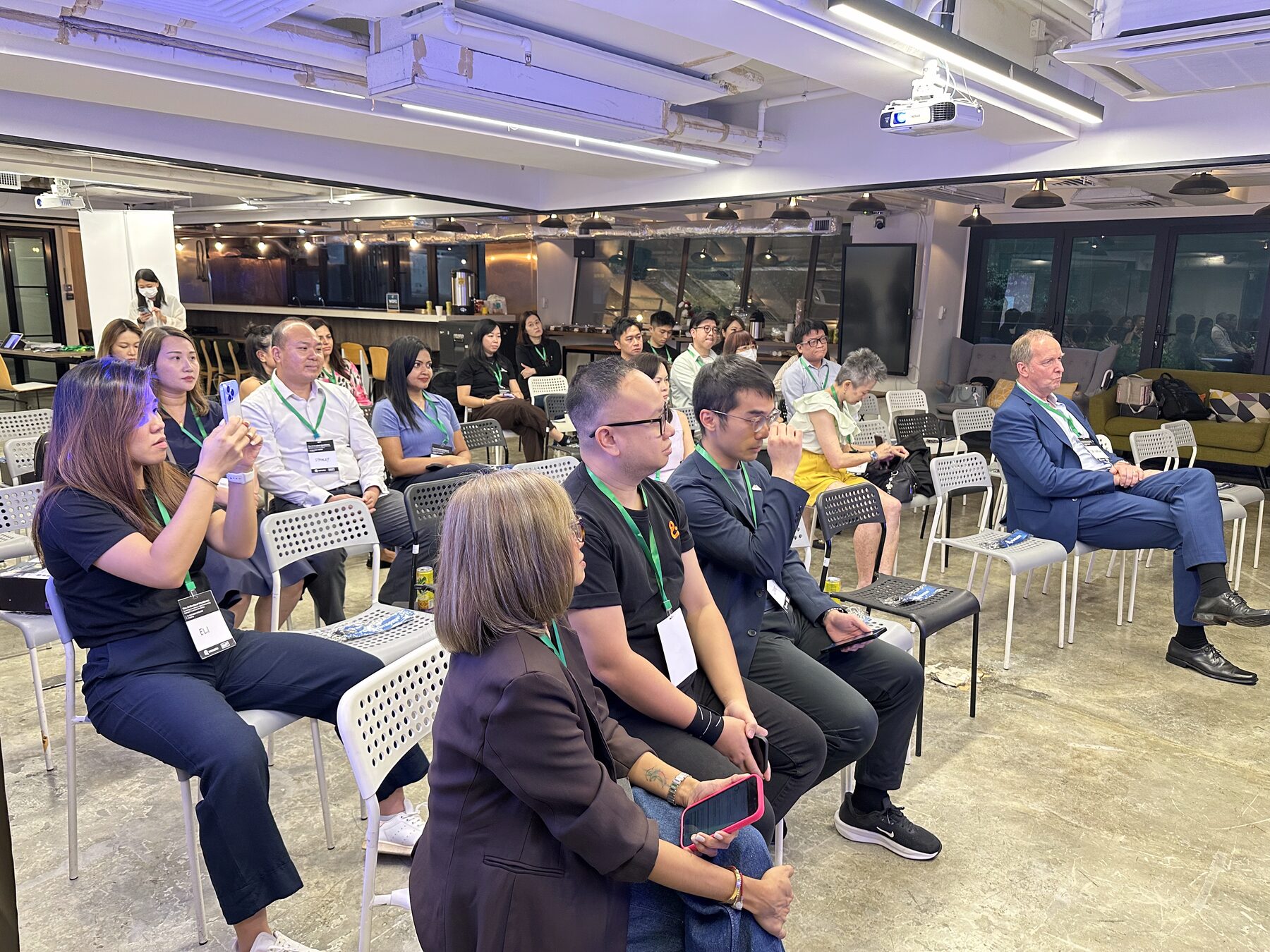
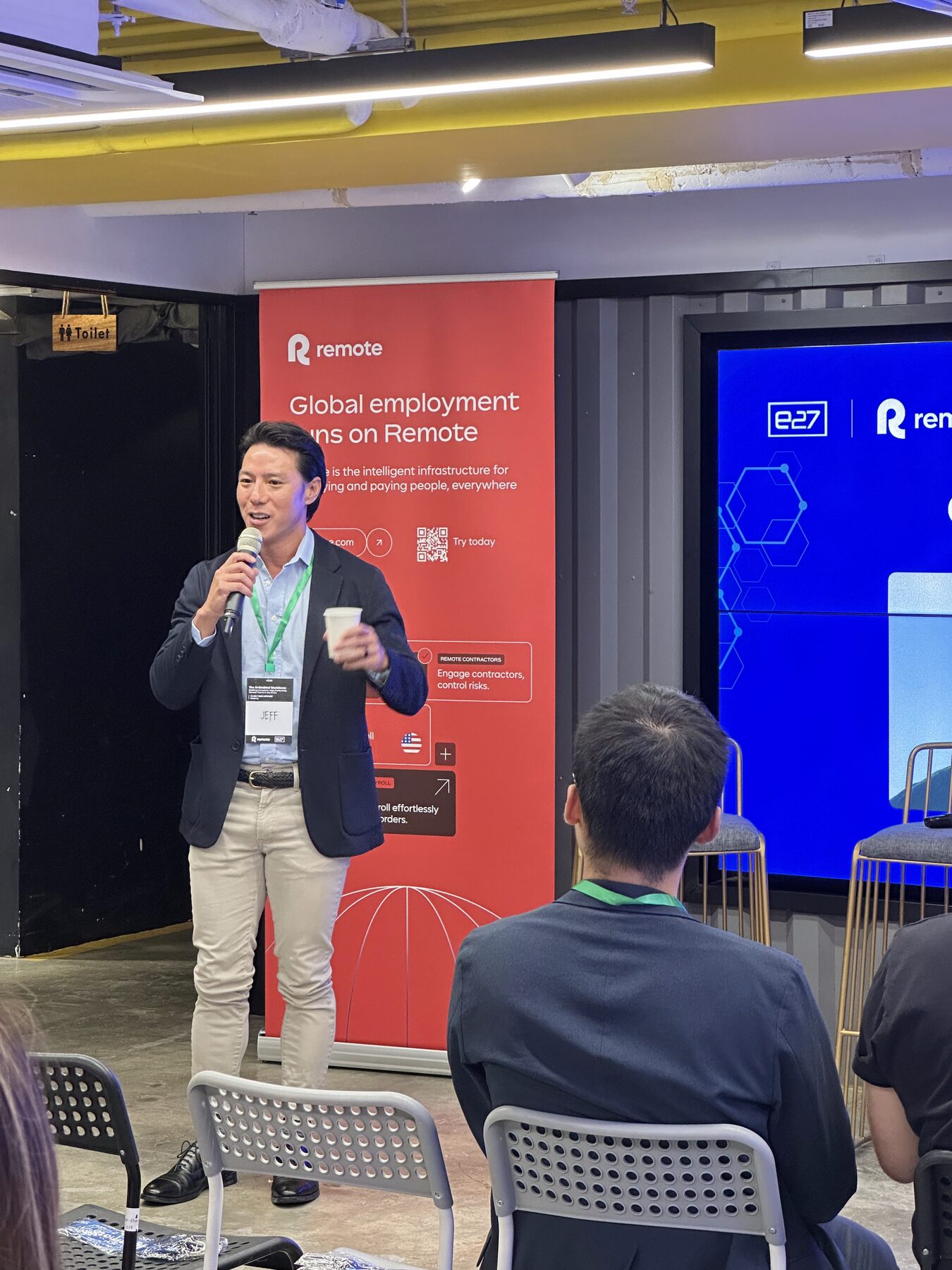
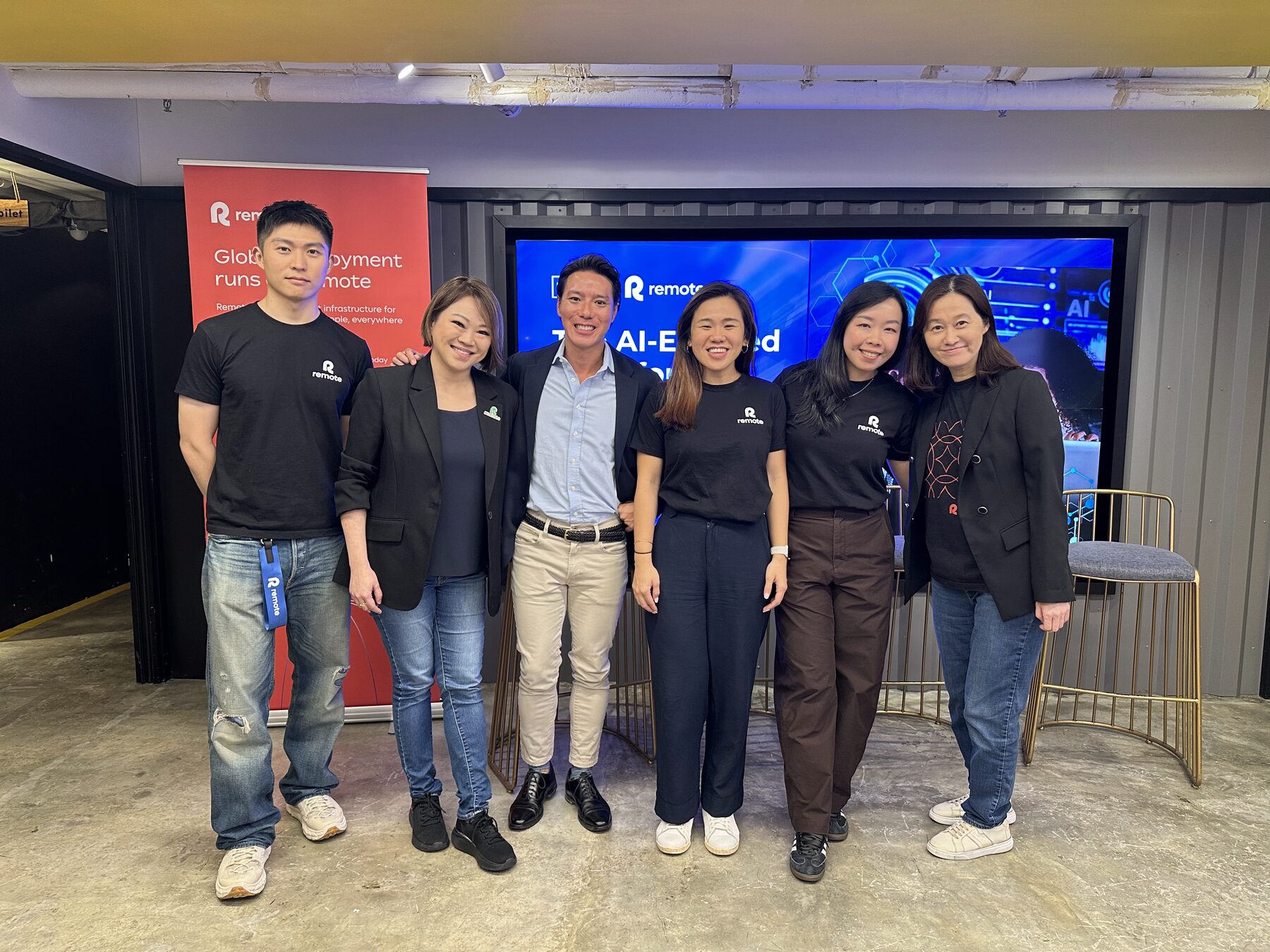
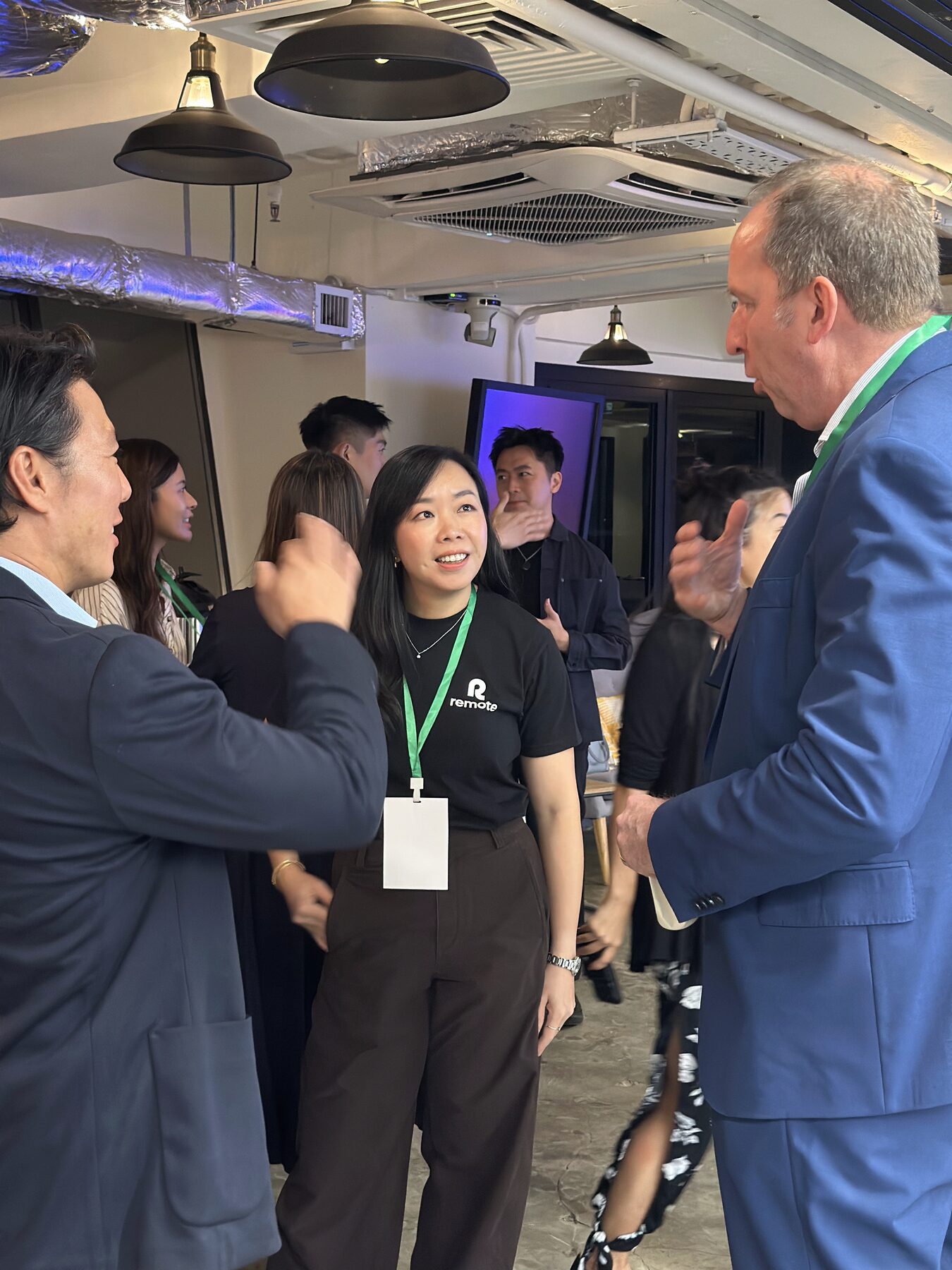
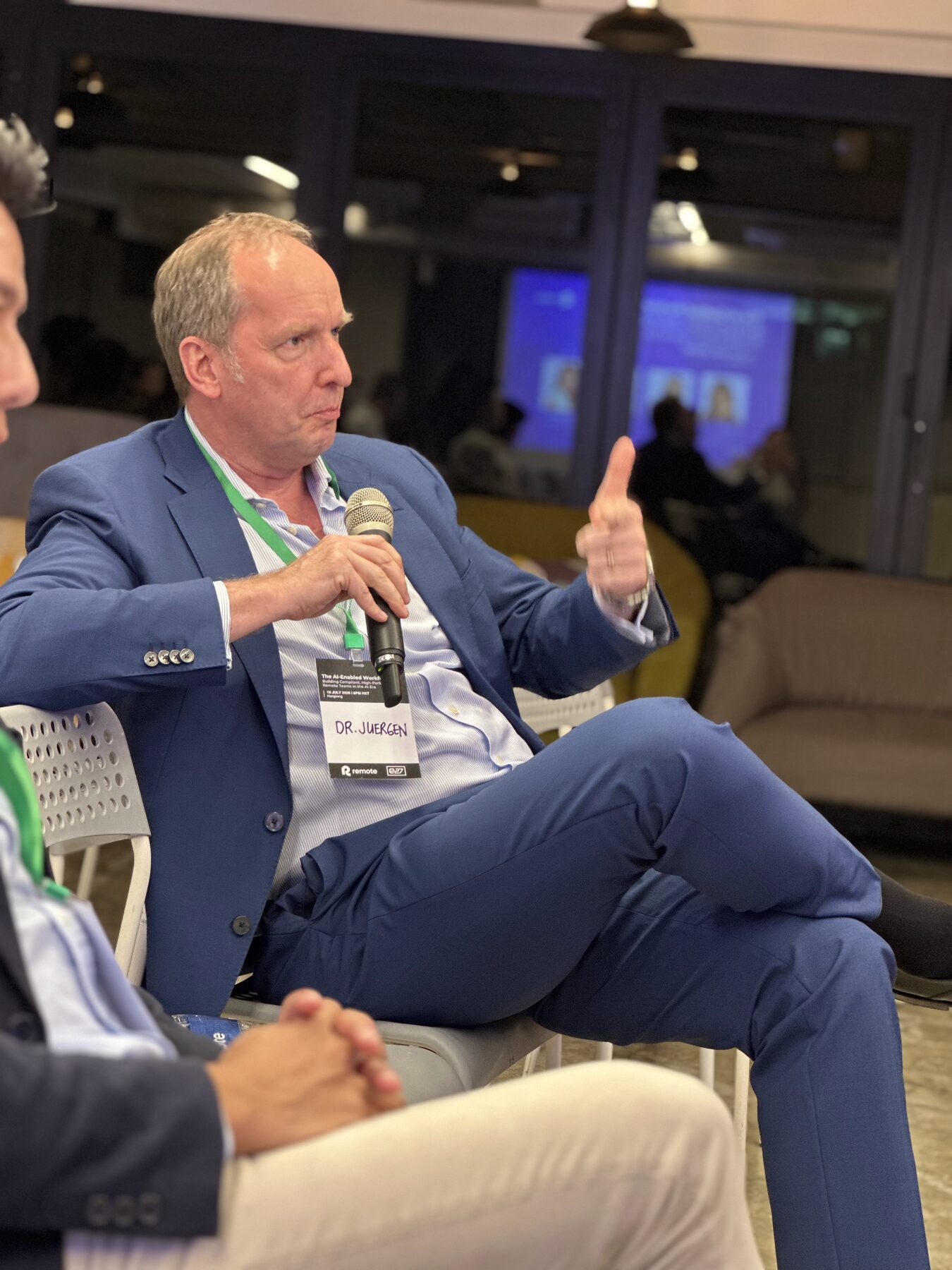
Moments from the panel discussion, opening remarks, and networking dinner in Hong Kong.
We'd love to hear what was useful, what was missing, or how we can improve this hub.
Share your details and Remote's team will reach out to talk through hiring in HK, Singapore, mainland China, the Philippines, or anywhere else.